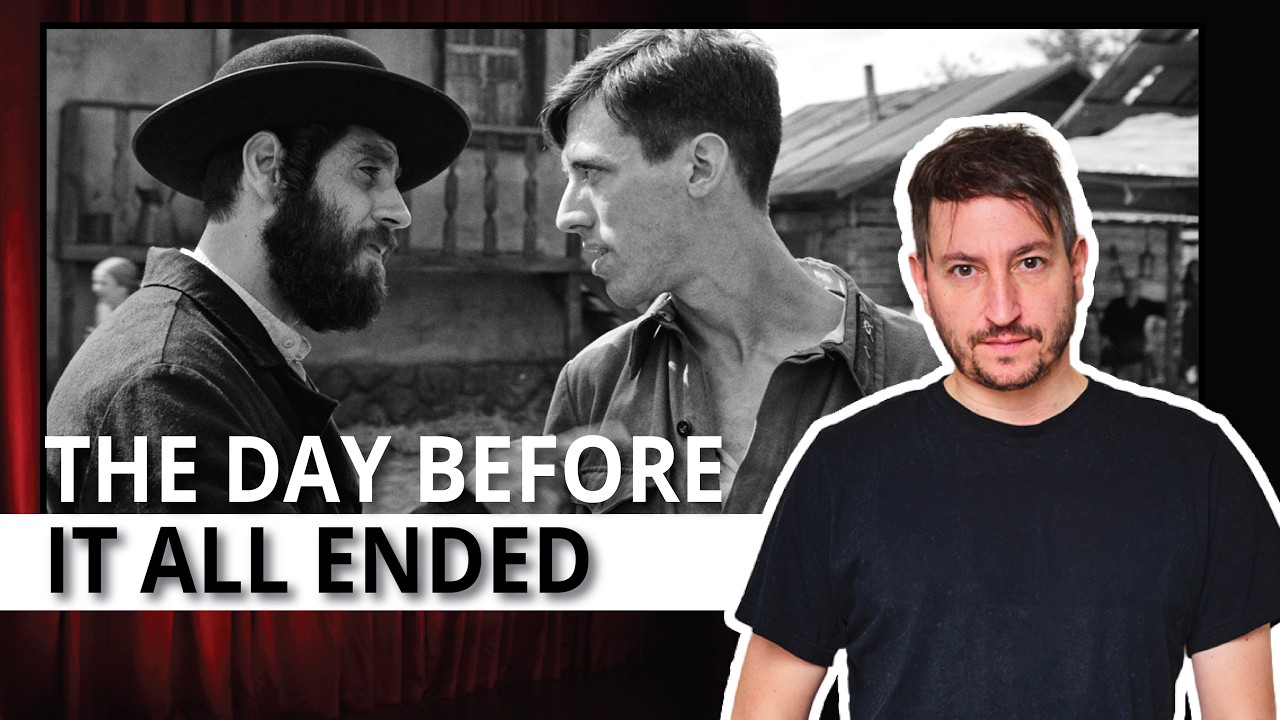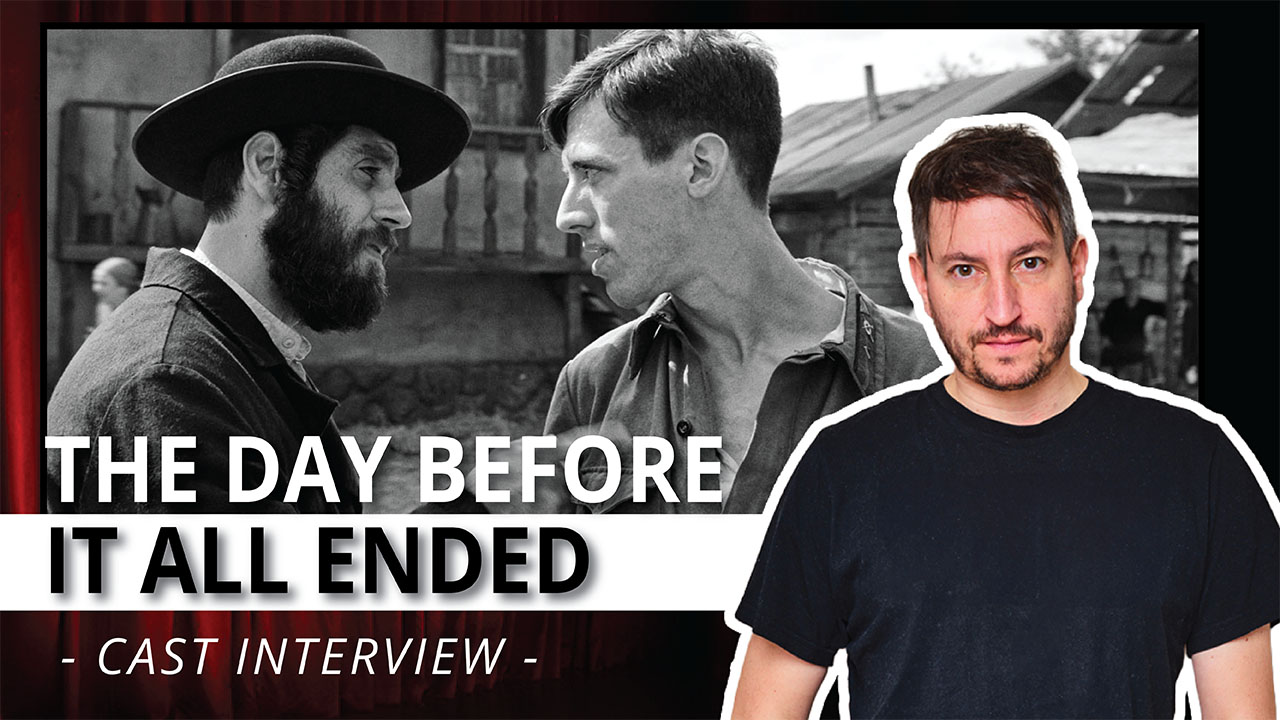
According to Wikipedia, a shtetl is the Yiddish term for the small towns across Eastern Europe where many Ashkenazi Jewish communities lived before the Holocaust.
But for those of us born after the Shoah, the word carries something almost mystical. It evokes the floating villages of Marc Chagall’s paintings and the rich storytelling of Isaac Bashevis Singer—a world that feels both vivid and distant.
In his film SHTTL, director Ady Walter takes us back to one of those villages. But instead of presenting a nostalgic or quaint portrait of shtetl life, Walter reveals something far more complex: a vibrant community filled with debates over religion, politics, gender roles, economics, and identity.
In other words, a world that feels surprisingly familiar.
The film has clearly resonated with audiences. SHTTL recently became the longest-running film at New York’s New Plaza Cinema, playing continuously for more than 20 weeks.
To explore the film from multiple angles, we took a slightly different approach for this episode of INSIDE THE ARTHOUSE. Rather than a single conversation, we recorded three separate sessions with key members of the film’s creative team.
We first connected with director Ady Walter at his home in Paris, where he spoke about the challenges of recreating a lost world and bringing Yiddish culture and pre-war Jewish life to the screen.
We also spoke with Saul Rubinek, the celebrated actor and filmmaker who grew up speaking Yiddish in Montreal and brings a deeply personal connection to the material.
Finally, we sat down in person with Moshe Lobel, the film’s star. Lobel is also a Yiddish speaker, but with a particularly powerful relationship to the language and the cultural traditions depicted in the film.
There is a great deal happening beneath the surface of SHTTL, and it quickly became clear that hearing from all three voices—the director and two actors—would offer a richer understanding of the story the film tells.
We hope you enjoy this three-part conversation with filmmaker Ady Walter and actors Moshe Lobel and Saul Rubinek, on INSIDE THE ARTHOUSE.